How to choose upgrades without blowing the budget
Most upgrade lists online are written for clicks, not real builds. Builders look at a different question: what is hard to change later, what affects performance, and what improves the way the house actually lives?
Our rule is simple: decide structure and rough-ins first, then finishes. If a decision touches framing, electrical, plumbing, HVAC, or the exterior envelope, it belongs near the top of the list.
The 10 upgrades we recommend most often
1) Better insulation + air sealing (the "invisible" upgrade)
Comfort is built into the walls. Better air sealing and insulation reduces drafts, improves sound control, and lowers energy use. It also helps your HVAC work less.
2) Quality windows and exterior doors
Windows and doors affect heat loss, noise, and long-term maintenance. If you are going to invest in one exterior item, this is usually the best return.
3) Electrical capacity: 200 amp service + future-ready rough-ins
Today: more appliances, more tech, more electric vehicles. Upgrading service and rough-ins is easier now than after drywall. Consider EV readiness and a logical panel layout.
4) Lighting plan (pot lights, feature lights, and smart switching)
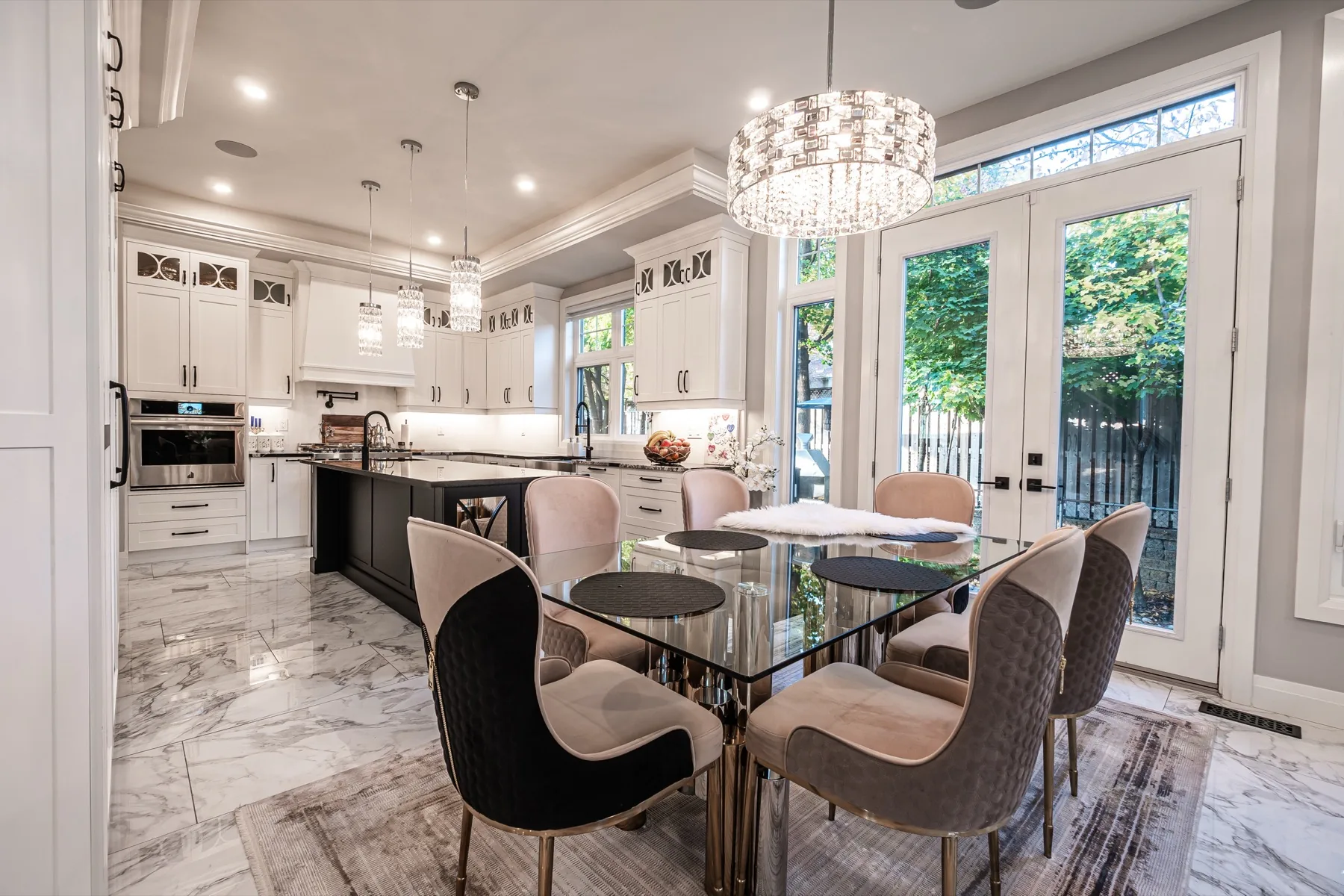
Lighting is one of the highest-impact upgrades for day-to-day living. A clean lighting plan makes the home feel premium even if finishes are mid-range.
5) Kitchen layout + cabinetry (function beats flash)
Countertops get attention, but cabinetry and layout determine how the kitchen works. Optimize storage, island clearance, and where appliances land.
6) Durable countertops (especially on the island)
Choose materials that match how you live: heat resistance, stain resistance, and low maintenance. Focus budget where the wear happens: the island and main prep zones.
7) Flooring that fits your household
Pets, kids, and traffic matter more than trends. The right flooring choice reduces future repairs and keeps the home looking clean longer.
8) Staircase and railings (a visual anchor)
The staircase is a focal point in many layouts. A well-designed stair package makes the whole main floor feel elevated.
9) Bathroom comfort upgrades (heated floors, niches, better showers)
Small upgrades can make bathrooms feel like a hotel. Heated floors, built-in niches, and thoughtful shower layouts are usually worth it.
10) Basement planning (rough-ins, ceiling height, and future rooms)
Even if you do not finish the basement right away, plan it like you will. Rough-ins and layout decisions are easiest before concrete is poured and framing starts.
The best value usually comes from decisions that reduce future change-orders and improve the daily feel of the home, not from chasing the most expensive finish in the room.
What to Decide Early vs. Later
- Decide early: structural items, window sizes, HVAC strategy, electrical rough-ins, plumbing locations, exterior materials.
- Decide later: paint colours, decorative lighting, hardware, and some finish details (as long as rough-ins support them).
Next step: build your upgrade list like a real appointment
We built our Home Design Studio so you can make decisions in the same order the home is actually built. That makes it much easier to separate must-haves from nice-to-haves before the budget gets messy.
If you want help shaping an upgrade list that feels premium without becoming random, book a consultation and we will walk through priorities with you.